.png?width=300&height=118&name=Stacked%20Dark%20Blue%20(3).png "Stacked Dark Blue (3)")

Understanding the costs associated with Professional Employer Organizations (PEOs) is crucial for small and mid-sized businesses looking to optimize their human resources and payroll functions. This guide delves into the various PEO pricing models, the return on investment (ROI) of PEO services, and the potential cost savings that can be achieved. Many businesses struggle with managing HR functions efficiently while keeping costs under control. By leveraging PEO services, companies can streamline operations and enhance compliance, ultimately leading to improved financial performance. This article will cover key PEO pricing models, methods to calculate ROI, cost savings strategies, compliance benefits, and real-world examples demonstrating the effectiveness of PEO partnerships.
Research highlights how PEOs significantly influence both the financial aspects and the overall effectiveness of HR for small and medium-sized enterprises.
What Are the Key PEO Pricing Models and How Do They Affect Your Business Costs?
PEO pricing models significantly influence the overall costs for businesses utilizing these services. Understanding these models helps businesses make informed decisions about their HR outsourcing strategies. The two primary pricing models are fixed fee and percentage-based pricing, each with distinct implications for budgeting and financial planning.
How Do Fixed Fee and Percentage-Based PEO Pricing Models Compare?
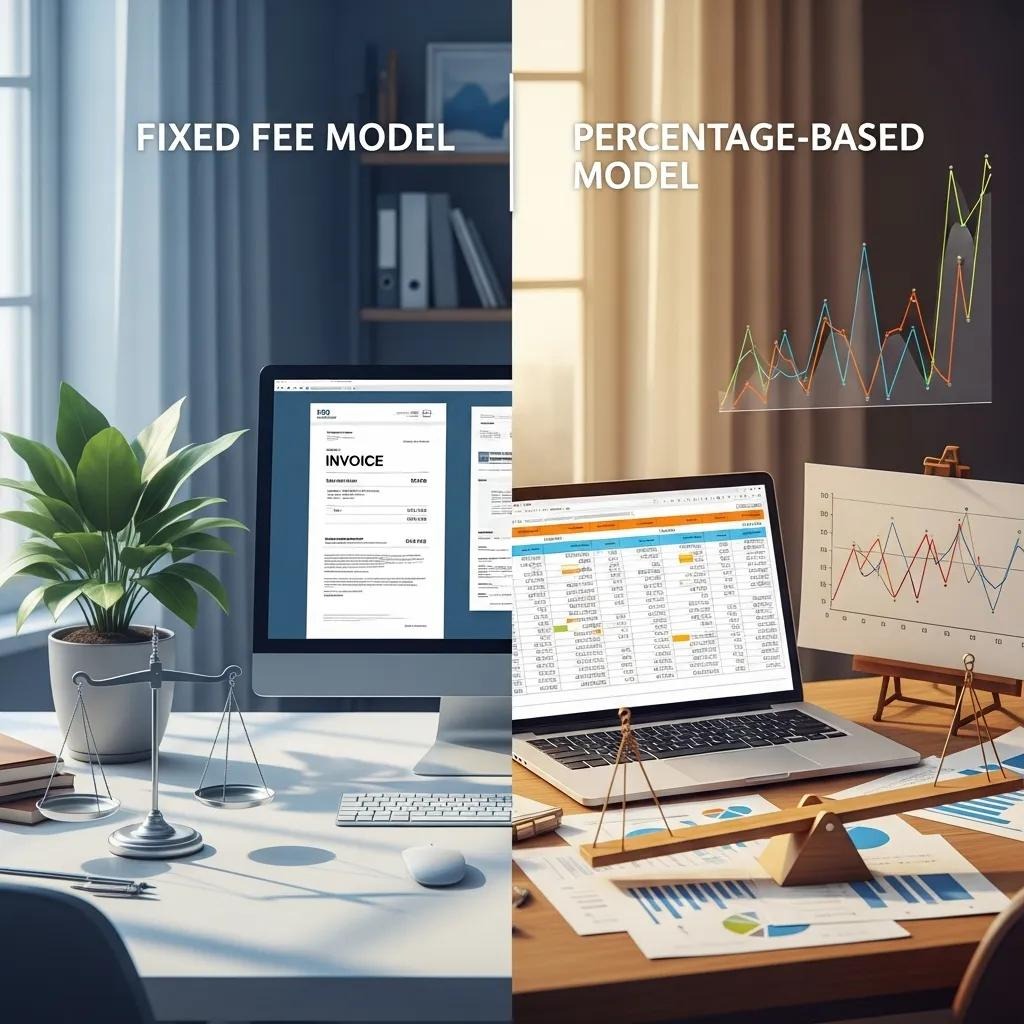
Fixed fee PEO pricing involves a set monthly charge for services, providing predictability in budgeting. In contrast, percentage-based pricing ties costs to the total payroll, which can fluctuate based on employee count and wages. Each model has its pros and cons; fixed fees offer stability, while percentage-based models can be more cost-effective for businesses with variable payrolls. Understanding these differences is essential for selecting the right PEO model that aligns with your business's financial strategy.
What Services Are Included in Typical PEO Fee Structures?
Typical PEO fee structures encompass a range of services designed to support HR functions. These services often include payroll processing, employee benefits administration, compliance management, and risk management. The specific offerings can vary between PEOs, so businesses should carefully evaluate what is included in the fee to ensure they receive comprehensive support tailored to their needs.
How Can You Calculate the ROI of PEO Services for Your Business?
Calculating the ROI of PEO services involves assessing both the tangible and intangible benefits that these partnerships provide. Businesses can measure ROI by comparing the costs of PEO services against the savings and efficiencies gained through outsourcing HR functions.
What Are the Step-by-Step Methods to Measure PEO ROI?
To measure the ROI of PEO services, businesses can follow these steps:
- Identify Costs: Calculate the total costs associated with PEO services, including fees and any additional expenses.
- Assess Savings: Determine the savings achieved through reduced HR overhead, compliance penalties avoided, and improved employee retention.
- Calculate ROI: Use the formula: ROI = (Savings - Costs) / Costs x 100 to express the ROI as a percentage.
This structured approach allows businesses to quantify the financial impact of their PEO partnership effectively.
How Do Payroll and HR Outsourcing Impact Your Return on Investment?
Outsourcing payroll and HR functions through a PEO can significantly enhance ROI by reducing operational costs and improving efficiency. By leveraging the expertise of a PEO, businesses can minimize errors in payroll processing, ensure compliance with labor laws, and provide better employee benefits, all of which contribute to a more productive workforce. The streamlined processes and expert support offered by PEOs can lead to substantial long-term savings.
What Cost Savings Can Small and Mid-sized Businesses Achieve Through PEO Services?
Small and mid-sized businesses can realize considerable cost savings by partnering with a PEO. These savings often stem from reduced administrative burdens and enhanced compliance measures.
How Does Payroll Outsourcing Reduce Operational Expenses?
Payroll outsourcing through a PEO can lead to significant reductions in operational expenses. By automating payroll processes and ensuring compliance with tax regulations, businesses can avoid costly penalties and reduce the time spent on administrative tasks. This efficiency allows companies to allocate resources more effectively, ultimately enhancing profitability.
What Are Effective PEO Cost Savings Strategies for SMBs?

To maximize cost savings through PEO services, small and mid-sized businesses can implement several strategies:
- Evaluate Service Offerings: Choose a PEO that provides comprehensive services tailored to your business needs.
- Leverage Technology: Utilize the technology and tools offered by the PEO to streamline HR processes.
- Monitor Compliance: Stay informed about compliance requirements to avoid penalties and fines.
These strategies can help businesses optimize their PEO partnership and achieve greater financial efficiency.
How Do PEOs Enhance Compliance and Reduce Risk for Your Business?
PEOs play a vital role in enhancing compliance and reducing risk for businesses. By staying updated on labor laws and regulations, PEOs help companies navigate the complexities of HR compliance.
What Compliance Benefits Do PEOs Provide to Small Businesses?
PEOs offer several compliance benefits, including assistance with employee classification, tax compliance, and workplace safety regulations. By outsourcing these functions, small businesses can mitigate the risk of non-compliance and the associated penalties, ensuring a more stable operational environment.
How Does Risk Management Through PEOs Improve Business Stability?
Effective risk management through PEOs contributes to overall business stability by providing access to expert guidance and resources. PEOs can help businesses implement safety programs, conduct employee training, and manage workers' compensation claims, all of which reduce the likelihood of costly incidents and enhance workplace safety.
What Are the Advantages of Using PEO Services for Small and Mid-sized Businesses?
Utilizing PEO services offers numerous advantages for small and mid-sized businesses, particularly in terms of HR management and employee benefits.
Indeed, the benefits of PEOs are widely recognized, particularly in areas like compliance and the administration of employee health and retirement benefits.
How Do PEOs Improve Employee Benefits Administration?
PEOs enhance employee benefits administration by providing access to a broader range of benefits options, often at lower costs than businesses could secure independently. This access allows companies to offer competitive benefits packages that attract and retain top talent, ultimately improving employee satisfaction and loyalty.
What Expert HR Support Can SMBs Expect from PEO Partnerships?
Small and mid-sized businesses can expect expert HR support from PEO partnerships, including guidance on best practices, compliance issues, and employee relations. This support enables businesses to focus on their core operations while ensuring that HR functions are managed effectively and efficiently.
Studies confirm that PEOs serve as an effective mechanism for small and medium-sized enterprises to access both the day-to-day transactional and long-term strategic HR services they need.
What Do Recent Case Studies Reveal About PEO Cost Savings?
Recent case studies indicate that businesses utilizing PEO services have experienced significant cost savings, often ranging from 20% to 30% in HR-related expenses. These savings stem from improved efficiencies, reduced compliance risks, and enhanced employee retention rates.
How Have Businesses Improved ROI Using PEO Services in 2025-2026?
In 2025-2026, many businesses reported improved ROI through PEO partnerships by leveraging technology and expert support. Companies that embraced PEO services not only streamlined their HR functions but also enhanced their overall business performance, demonstrating the tangible benefits of these collaborations.
Frequently Asked Questions
What factors should businesses consider when choosing a PEO?
When selecting a Professional Employer Organization (PEO), businesses should evaluate several key factors. These include the PEO's industry experience, the range of services offered, pricing structures, and client reviews. It's also important to assess the PEO's compliance track record and the technology they use for HR management. Additionally, businesses should consider the level of customer support provided and whether the PEO can tailor its services to meet specific business needs. A thorough comparison can help ensure a good fit for your organization.
How can PEOs help with employee retention?
PEOs can significantly enhance employee retention by providing access to competitive benefits packages, including health insurance, retirement plans, and professional development opportunities. By offering these attractive benefits, businesses can improve employee satisfaction and loyalty. Furthermore, PEOs often assist with employee engagement initiatives and training programs, fostering a positive workplace culture. This comprehensive support not only helps retain existing employees but also attracts new talent, ultimately contributing to a more stable workforce.
Are there any hidden costs associated with using a PEO?
While PEOs can provide substantial cost savings, businesses should be aware of potential hidden costs. These may include additional fees for specific services not covered in the standard pricing model, such as specialized training or compliance audits. It's crucial to thoroughly review the contract and understand what is included in the fee structure. Additionally, businesses should inquire about any penalties for early termination of the contract. Clear communication with the PEO can help mitigate unexpected expenses.
What is the typical contract length for PEO services?
The typical contract length for PEO services can vary, but most agreements range from one to three years. Some PEOs may offer month-to-month contracts, providing more flexibility for businesses. It's essential to review the terms of the contract, including renewal options and termination clauses. Understanding the commitment involved can help businesses plan their HR strategies effectively and ensure they are comfortable with the duration of the partnership.
How do PEOs handle compliance with changing labor laws?
PEOs are equipped to handle compliance with changing labor laws by staying updated on regulations at both federal and state levels. They often have dedicated compliance teams that monitor legal changes and implement necessary adjustments to HR practices. By outsourcing compliance management to a PEO, businesses can reduce the risk of non-compliance and associated penalties. This proactive approach allows companies to focus on their core operations while ensuring they remain compliant with evolving labor laws.
Can small businesses negotiate PEO fees?
Yes, small businesses can often negotiate PEO fees, especially if they are considering multiple providers. Factors such as the size of the business, the number of employees, and the range of services required can influence pricing. Businesses should gather quotes from several PEOs and discuss their specific needs to find a mutually beneficial agreement. Negotiating can lead to better pricing or additional services, enhancing the overall value of the PEO partnership.
Conclusion
Partnering with a Professional Employer Organization (PEO) can significantly enhance your business's HR efficiency and compliance while reducing operational costs. By understanding the various pricing models and ROI calculations, small and mid-sized businesses can make informed decisions that lead to substantial savings and improved employee satisfaction. Embracing PEO services not only streamlines HR functions but also provides access to expert support and competitive benefits. Discover how our tailored PEO solutions can transform your business today.
References:
Professional employer organizations and their role in small and medium enterprises: the impact of HR outsourcing, 2003
HR in the small business enterprise: Assessing the impact of PEO utilization, T Gainey, 2005
PEO clients grow faster and show greater resilience than non-PEO businesses, S Shields, 2024
Leave Your Comment Here